
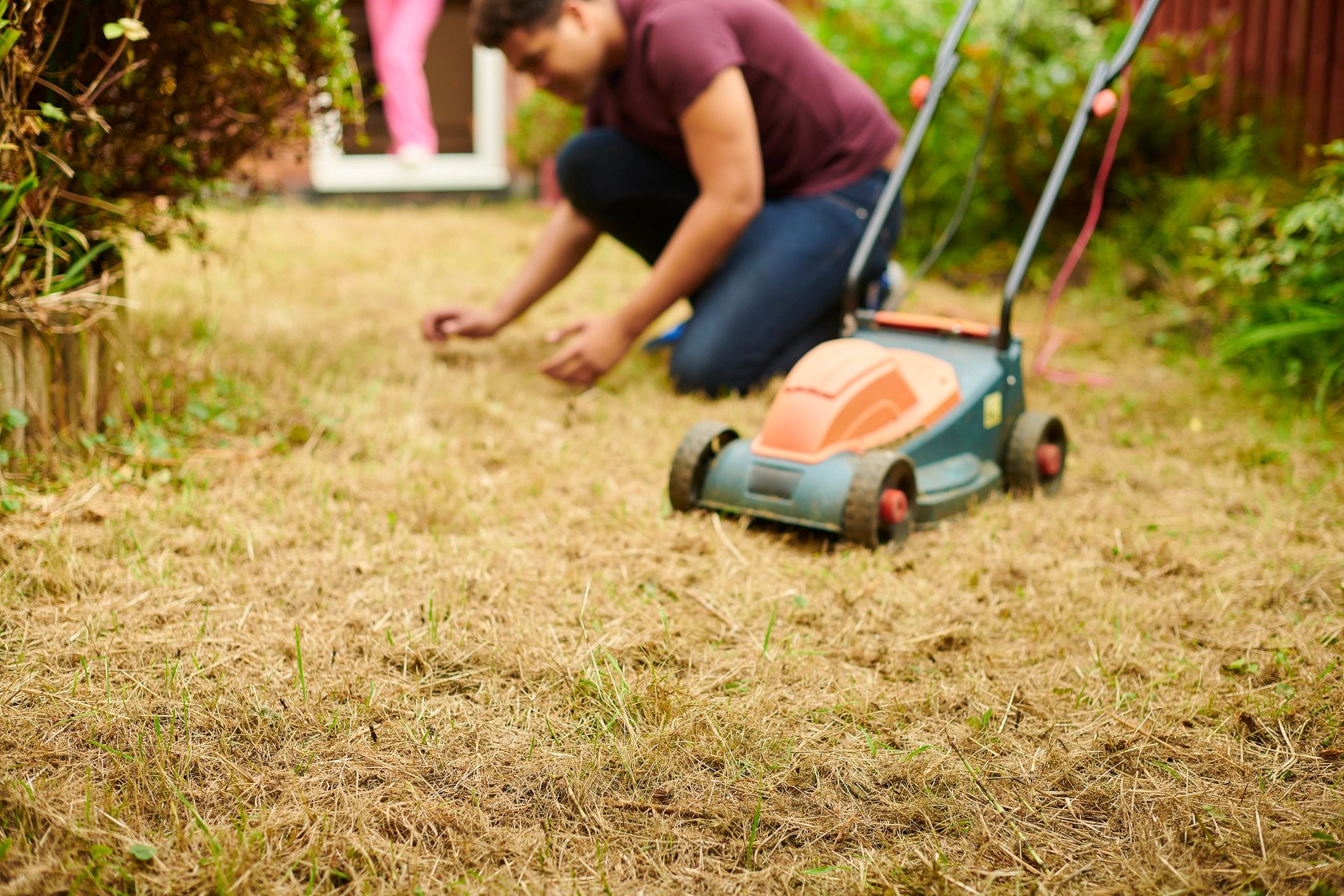
When the Heat Hits 100°F, Your Lawn Needs More Than Just Water
Extreme summer heat isn’t just uncomfortable—it’s a serious threat to the health and survival of your lawn, especially when temperatures consistently climb above 100°F. In regions like Dallas, where scorching sun and prolonged dry spells are common, even well-established grass can quickly deteriorate without proactive care. High heat stresses turf by accelerating evaporation, weakening root systems, and increasing susceptibility to pests and disease. Without the right strategies, homeowners risk ending up with patchy, brown, or dead grass by midsummer.
This guide will walk you through proven, science-backed techniques to keep your lawn alive and thriving during the hottest months. You’ll learn how to adjust your mowing habits, optimize watering schedules for maximum efficiency, choose heat-tolerant grass varieties suited to North Texas climates, and identify early signs of heat stress before irreversible damage occurs. We’ll also cover soil health fundamentals—like aeration and topdressing—that help roots endure temperature extremes. By implementing the right cultural practices, homeowners can maintain greener, healthier lawns even under the most intense summer conditions. Whether you’re dealing with Bermuda, Zoysia, or St. Augustine, the strategies shared here are tailored to deliver results in high-heat environments.
Understanding Heat Stress: What Happens to Your Grass in Extreme Heat
When temperatures soar above 100°F, your lawn undergoes significant biological stress that can lead to visible damage if not properly managed. High heat accelerates evapotranspiration, causing grass to lose moisture faster than roots can replenish it—especially in regions with intense sun exposure like North Texas. This imbalance triggers dormancy, a survival mechanism where cool-season and even some warm-season grasses slow growth and turn brown to conserve energy.
Common signs of heat stress include browning or bronzing of leaf blades, thinning turf, and patchy lawn areas that resist recovery even after watering. Shaded zones may stay green longer, highlighting how sun exposure intensifies damage. In clay-heavy soils common around Dallas, poor drainage and compaction limit root access to deeper moisture, worsening stress effects.
Grass also becomes more vulnerable to foot traffic and pests when heat-weakened, so avoid mowing too short or applying heavy use during peak temperatures. Raising your mowing height by a half-inch during summer helps shade the soil and retain moisture, supporting root health.
To mitigate biological strain, water deeply and early in the morning to maximize absorption. Prioritize drought-tolerant varieties like Bermuda or Zoysia, which adapt better to sustained heat. Watch for signs of true dormancy versus dehydration—consistent wilting beyond two weeks may require targeted soil amendments or aeration to restore vitality.
5 Heat-Fighting Grass Types for Texas Lawns That Thrive in Extreme Heat
When battling triple-digit temperatures, choosing the right grass variety is your first line of defense in maintaining a green, healthy lawn. Not all turf is created equal—some grasses go dormant and brown at the first sign of heat, while others flourish under the blazing South Texas sun. Here are five top-performing, heat-resistant grass types proven to withstand 100°F+ conditions while requiring minimal water and maintenance.
Bermudagrass – The Drought-Defying Workhorse
Known for its aggressive growth and deep root system, Bermudagrass thrives in full sun and handles extreme heat with ease. This warm-season grass goes dormant in winter but stays lush and green through scorching summers. It recovers quickly from foot traffic, making it ideal for active yards in Dallas and across the South.Zoysiagrass – Dense, Drought-Tolerant, and Low-Maintenance
With its carpet-like texture and strong heat tolerance, Zoysiagrass forms a thick turf that resists weeds and retains moisture. While it establishes more slowly than other types, its deep roots make it highly drought-resistant—perfect for homeowners seeking a lush lawn with less watering.Buffalo Grass – The Native, Low-Water Champion
A true Texas native, Buffalo grass is incredibly drought-tolerant and requires far less mowing and irrigation than traditional turf. It thrives in full sun and adapts well to alkaline soils common across North Texas, making it a sustainable choice for eco-conscious homeowners.St. Augustine Grass – Shade-Tolerant Heat Warrior
Popular in Central and South Texas, St. Augustine holds up well in heat and humidity. While it prefers consistent moisture, newer drought-tolerant cultivars can survive extended dry spells. It’s one of the few heat-resistant grasses that also perform well in partial shade.Tall Fescue (Warm-Adapted Varieties) – Cool-Season Grass for Hot Zones
Though typically a cool-season grass, certain heat-tolerant cultivars are bred specifically for Southern climates. These varieties stay green longer under heat stress and perform well in areas with fluctuating temperatures and partial shade, especially in the Texas Hill Country and transitional zones.
Water Your Lawn Like a Pro: Smart Strategies for 100°F+ Heat
When temperatures soar past 100°F, your lawn enters survival mode—proper watering isn’t just helpful, it’s essential. The key isn’t how much you water, but how wisely. Follow these steps to keep your grass healthy, green, and resilient during Dallas heatwaves.
Water Early Morning (Before 10 AM)
Irrigate between 4–7 AM to minimize evaporation and allow water to penetrate deeply. Midday watering can lose over half the moisture to heat, while nighttime watering raises disease risk.Adjust Frequency Based on Weather
During extreme heat, water 2–3 times per week instead of daily. Frequent shallow watering encourages weak roots. Instead, focus on deep saturation to promote drought tolerance.Soak Deep (At Least 6–8 Inches)
Run your system long enough to moisten the soil below the root zone. Test depth by pushing a screwdriver into the ground—it should slide in easily after irrigation.Choose the Right Irrigation Method
Use rotary sprinkler heads for even coverage on lawns, and pair drip irrigation with mulched beds. Smart controllers with soil moisture sensors or local weather integration drastically reduce waste.Check for Runoff and Adjust
If water starts to pool or run off, pause and let it absorb. Use “cycle and soak” settings on automatic systems to break watering into shorter intervals.
Pro Tip: In Dallas, clay soil holds moisture longer than sand—but still dries fast in triple-digit heat. A 1/4-inch rain gauge helps track output and avoid overwatering.
Mow Smart: How Proper Cutting Keeps Your Lawn Alive in Scorching Heat
When temperatures soar above 100°F, your lawn care routine needs a strategic shift—especially when it comes to mowing. Cutting grass too short or too often during extreme heat can weaken turf, invite weeds, and increase moisture loss, leaving your yard vulnerable to stress and dormancy. The key to maintaining a resilient lawn lies in heat-adaptive mowing practices that protect root health and preserve vital moisture.
Start by raising your mower deck. Set the cutting height to at least 3–4 inches, depending on your grass type—common in North Texas lawns like Bermuda, St. Augustine, or Zoysia. Taller grass shades the soil, reducing surface temperatures and slowing evaporation, while promoting deeper root growth for improved drought tolerance. Never remove more than one-third of the blade length in a single cut to avoid shock.
Mow less frequently during heatwaves and only when the lawn needs it. Stick to early morning or late afternoon mowing to avoid the midday sun, reducing stress on both grass and equipment. Keep blades sharp—a dull mower tears rather than cuts, creating jagged edges that invite disease and moisture loss.
Use a mulching mower when possible to return clippings to the lawn, acting as a natural moisture barrier. Avoid mowing wet grass, which can clog equipment and compact soil. Following these practices ensures your lawn stays dense, healthy, and better equipped to survive summer’s peak heat.
Build a Strong Foundation: Soil Care and Heat Protection Strategies for Dallas Lawns
When temperatures in Dallas soar above 100°F, your lawn’s survival hinges on more than just watering—it starts beneath the surface. Healthy soil acts as a reservoir for moisture and nutrients, while strategic care practices reduce heat stress and encourage deep root development. Start with core aeration in early spring or fall to relieve compacted soil, a common issue in North Texas’ heavy clay. This simple step improves airflow, water infiltration, and nutrient uptake, helping grass withstand prolonged heat.
Follow up with a 2–3 inch layer of organic mulch around garden beds and under trees. Mulch buffers soil temperature, reduces evaporation, and suppresses heat-loving weeds. Use shredded hardwood or compost for best results, keeping it a few inches from plant bases to prevent rot.
For added protection, integrate shade solutions like temporary shade cloths over sensitive areas or invest in shade-permeable turf covers during extreme heat events. Consider installing pocket gardens with native shrubs like yaupon or wax myrtle, which naturally block midday sun and reduce ambient heat in your yard.
Finally, avoid deep tillage during summer—it disrupts root systems and exposes dry soil. Instead, focus on no-dig soil enrichment using top-dressed compost and slow-release organic fertilizers. These practices build long-term resilience, helping your lawn recover faster when cooler weather returns.
Frequently Asked Questions: Keeping Your Lawn Alive in 100°F+ Heat
How often should I water my lawn during extreme heat?
When temperatures exceed 100°F, your lawn loses moisture rapidly due to evaporation and transpiration. Water deeply 2–3 times per week rather than daily, aiming for early morning (between 4–7 AM) to minimize water loss. This encourages deeper root development and improves drought tolerance. Avoid midday watering, as up to 30% of water can be lost to evaporation.
Should I mow my lawn in 100-degree heat?
Yes, but follow heat-safe mowing practices. Raise your mower blade to leave grass taller (around 3–4 inches), which shades the soil and reduces moisture loss. Never remove more than one-third of the blade length at a time, and keep blades sharp to prevent tearing, which increases stress and disease risk.
Is it safe to fertilize during extreme heat?
Avoid applying traditional fertilizers when temperatures are consistently above 95°F. High heat can cause chemical burn on already stressed grass. Instead, consider a slow-release or organic option labeled for summer use, and always apply after a watering or before expected rain.
What grass types survive best in 100°F+ conditions in North Texas?
Warm-season grasses like Bermuda, Zoysia, and St. Augustine are most heat-tolerant and go dormant rather than die under stress. These varieties have deep root systems and natural resilience to Dallas’s long, scorching summers. Overseeding with cool-season grasses in summer is not recommended.
How can I tell if my lawn is dormant or dead?
Pull test: Grab a handful of brown grass and tug. If it pulls out easily with no resistance, roots may be dead. Dormant grass will resist pulling. Also, check for green crowns at the base of the blades. Water consistently for 2–3 weeks—if no green returns, re-sodding may be necessary.
Recent Comments